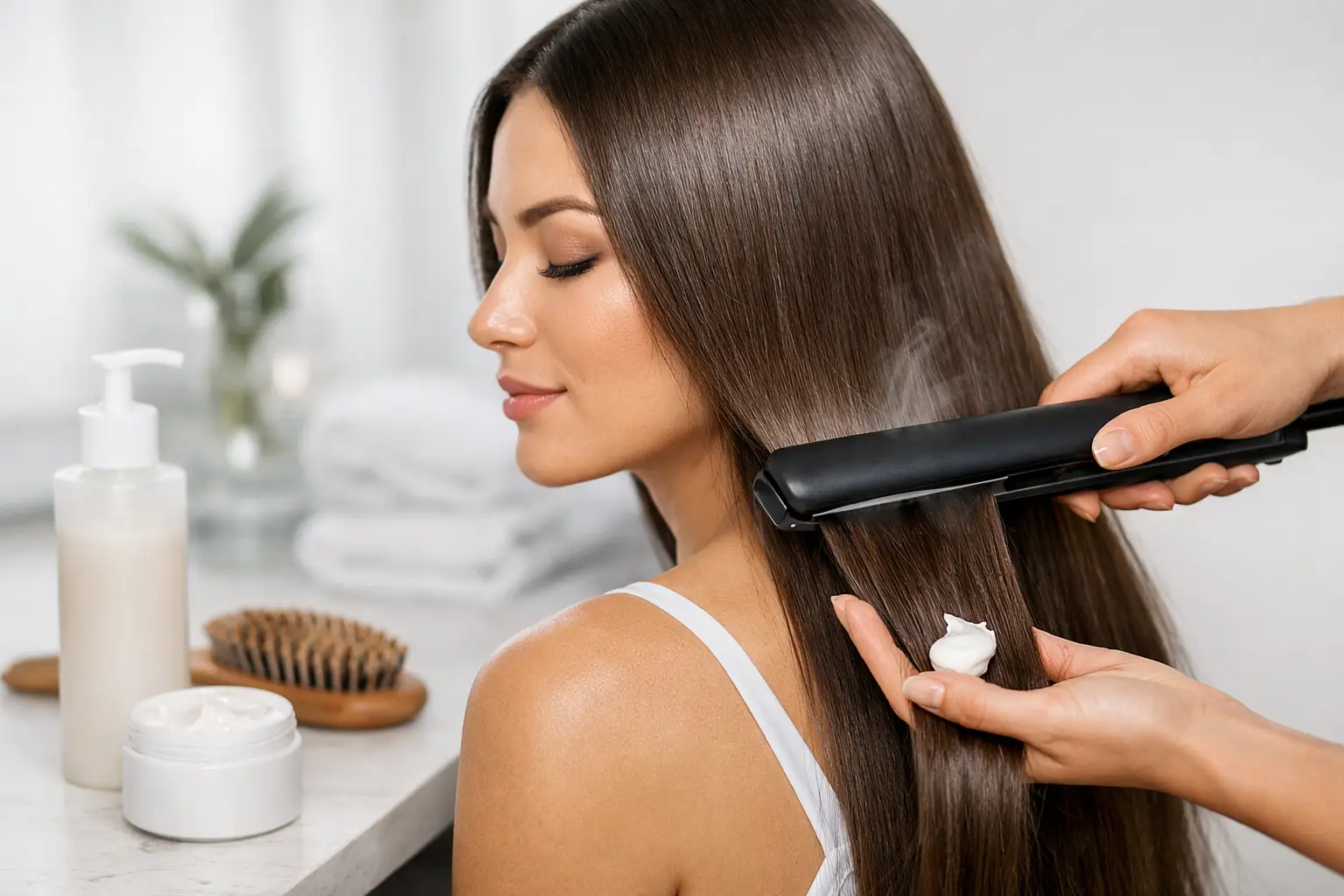
The first week after a Brazilian smoothing service can decide whether your hair stays glossy and frizz-controlled or starts losing that fresh-finished look too soon. If you’re wondering how to maintain Brazilian hair treatment results, the answer is not complicated - but it does require the right routine, the right products, and a little discipline between washes.
A Brazilian hair treatment works by smoothing the hair fiber, reducing volume, and helping cut down frizz, especially in humid weather. That salon-soft finish can last for weeks, sometimes months, but only if your aftercare supports it. The biggest mistakes usually happen at home: harsh shampoos, too much washing, careless heat styling, or formulas that strip the treatment faster than expected.
How to maintain Brazilian hair treatment after the salon
The first thing to understand is that maintenance starts immediately. Some formulas require a waiting period before washing, while others are designed for same-day rinsing. That depends on the treatment used and the professional instructions you were given. Follow those directions exactly. Washing too early can interfere with the finish, and tying the hair too tightly during that initial period can leave bends or marks.
Once you are past that first stage, your goal is simple: keep the cuticle smooth and avoid ingredients or habits that shorten the life of the treatment. Gentle cleansing matters more than frequent cleansing. If you usually wash daily, you may need to scale back. Two to three washes per week is often a better range for preserving smoothness without leaving the scalp neglected.
The shampoo you choose has a direct impact on longevity. Sulfate-heavy formulas tend to clean aggressively, which sounds good until they start lifting away the treatment layer and drying out the hair shaft. A milder, treatment-safe shampoo helps preserve shine and keeps the hair feeling softer for longer. The same goes for conditioner. You want moisture and slip, not buildup or heavy residue that leaves the hair flat at the roots.
Choose maintenance products that protect the result
Not every "smooth hair" product is actually a good match for chemically treated or heat-smoothed hair. Maintenance products should support alignment, moisture retention, and surface protection. That usually means a shampoo that cleans without stripping, a conditioner that seals softness back in, and a mask that restores strength once a week or every other week depending on your hair’s condition.
If your hair was already dry, highlighted, bleached, or fragile before the smoothing treatment, maintenance needs to be more repair-focused. Smoothness and damage control have to work together. A reconstruction mask or protein-balanced treatment can help keep the hair from looking limp or overstressed, but too much protein can make some hair types feel stiff. That is where balance matters. If your hair feels rough and brittle, add moisture. If it feels stretchy and weak, bring in strengthening care.
A lightweight serum or finishing oil can also make a visible difference. Used sparingly, it helps control static, boosts shine, and reduces the dry ends that make treated hair look older than it is. The key word is sparingly. Too much product can make smooth hair look greasy instead of polished.
For shoppers who want salon-performance maintenance at home, professional Brazilian formulas tend to be the strongest choice because they are built around the actual needs of smoothing-treated hair. That is one reason many customers turn to specialized retailers like M3 Beauty instead of guessing with general hair care products.
Washing habits that make results last longer
Overwashing is one of the fastest ways to wear down a Brazilian treatment. Every wash exposes the hair to water, friction, and cleansing agents, even when the formula is gentle. If your scalp gets oily quickly, dry shampoo between washes may help extend your routine without sacrificing freshness.
Water temperature matters too. Very hot water can leave the cuticle more exposed and contribute to dryness and frizz. Lukewarm water is a better choice for cleansing, and a cooler rinse at the end can help the hair feel smoother. It is a small adjustment, but it supports the polished finish you paid for.
Application technique also matters. Focus shampoo at the scalp, not through the full length in a scrubbing motion. Let the lather rinse down through the ends instead of roughing them up. When conditioning, concentrate on mid-lengths and ends where dryness shows up first.
After washing, do not twist, rub, or aggressively towel-dry. Blot with a microfiber towel or a soft cotton T-shirt. Friction raises the cuticle, and once frizz starts showing, the treatment never looks quite as fresh.
Heat styling: helpful, but not unlimited
One reason people love Brazilian smoothing treatments is that blow-drying gets faster and flat ironing often becomes optional. That does not mean heat no longer matters. Too much direct heat can dry the hair out and weaken the finish over time, especially if you are using high temperatures every day.
A heat protectant is not optional if you blow-dry or iron regularly. It creates a buffer between the hair fiber and the tool, helping reduce moisture loss and surface damage. Keep your tools in a moderate range whenever possible. If your hair is already smooth from the treatment, you usually do not need extreme heat to get it into place.
Blow-drying with tension can actually help maintain a sleek look between washes. If your roots start puffing up or your ends lose polish, a controlled blowout with a round or paddle brush can refresh the finish without overworking the hair. Flat irons still have their place, but they should be a touch-up step, not an everyday rescue plan.
How to maintain Brazilian hair treatment on damaged or colored hair
This is where maintenance becomes more specific. If your hair is color-treated, highlighted, or naturally porous, the treatment may fade faster or feel less consistent from root to end. You may notice smoother mid-lengths but drier ends, or shine at first that drops off quickly after a few washes. That does not always mean the treatment failed. It often means your hair needs more targeted support.
Color-safe, sulfate-conscious care is the safer route. Weekly masks become more valuable here, and leave-in products can help fill the gap between salon visits. If your ends still look rough even after conditioning, trim them. No serum can fully disguise split ends forever.
Swimming is another factor people overlook. Chlorine and salt can be rough on smoothing-treated hair, especially if it is also color-processed. Wetting the hair with clean water before swimming and applying a leave-in barrier can help reduce absorption. Washing and conditioning soon after is the better move than letting pool or ocean residue sit.
Small daily habits that protect smoothness
Pillow friction is real. A silk or satin pillowcase can help reduce overnight roughness, especially if you move a lot in your sleep. Loose hairstyles are better than tight elastics that leave creases and stress the hair shaft. If you exercise often, avoid keeping sweaty hair compressed against the scalp for hours. Let it dry and brush it out gently.
Even brushing technique counts. Use a brush that glides without pulling, and start at the ends before moving upward. Treated hair may feel easier to detangle, but repeated tension still causes breakage over time.
Humidity also changes what your routine needs. In dry weather, you may need more moisture support. In humid weather, you may need lighter finishing products so the hair stays sleek instead of heavy. There is no single routine that works perfectly year-round for everyone.
When to refresh your Brazilian treatment
Maintenance can stretch the life of a treatment, but it cannot make it permanent. Most people eventually notice more volume returning at the roots, longer drying time, or frizz reappearing around the hairline and crown. Those are normal signs that it is time to think about a refresh.
How often depends on your hair type, wash routine, climate, and the specific formula used. Fine hair may need a different schedule than thick, coarse, or heavily processed hair. If your lengths still look smooth but the roots are becoming harder to manage, a professional can help determine whether you need a full reapplication or a more targeted service.
The smartest approach is to treat maintenance as part of the service, not an afterthought. When the right shampoo, conditioner, mask, and finishing care are already built into your routine, the treatment keeps delivering what you wanted in the first place - smoother texture, better shine, less frizz, and easier styling. If you want your hair to keep looking expensive between appointments, protect the result like it matters, because it does.